
Insights
Read
Insights and education on Specialised Investment Funds.
Market Insights
View all →NRIs Eye Specialised Investment Funds Amid India's Expanding Wealth Management Landscape
Specialised Investment Funds (SIFs) are emerging as an attractive investment avenue for Non-Resident Indians seeking exposure to India's growth story. While these professionally managed funds offer diversification and advanced investment strategies, NRIs must carefully evaluate eligibility, regulatory compliance, taxation, and cross-border investment implications before making informed long-term investment decisions.
Bank FDs Emerge as Unexpected Catalyst for SIF Growth
Bank fixed deposits, India's traditional safe haven, are becoming an unlikely growth engine for Specialised Investment Funds. As fund managers court FD investors seeking better returns, distributors face the challenge of educating them on market risk—while HNIs gain a new tool to diversify beyond conventional mutual funds and fixed income.
Equity Ex-Top 100 Strategies Lead SIF Performance in July
Specialised Investment Funds (SIFs) delivered a mixed performance in July, with Equity Ex-Top 100 strategies emerging as the standout performers. Fund houses such as Quant and 360 ONE demonstrated strong stock-picking capabilities, reinforcing the growing appeal of specialised investment strategies for high-net-worth investors seeking alpha beyond traditional large-cap portfolios.
Hybrid vs Equity Long-Short SIFs: Choosing the Right Strategy for India's Evolving Wealth Landscape
India's growing Specialised Investment Fund market is prompting investors to choose between Hybrid Long-Short and Equity Long-Short strategies. While Equity Long-Short funds target higher alpha through concentrated equity exposure, Hybrid strategies emphasise diversification and downside protection. The optimal choice depends on individual risk tolerance, investment objectives, and long-term portfolio requirements.
SIF Categories
View all →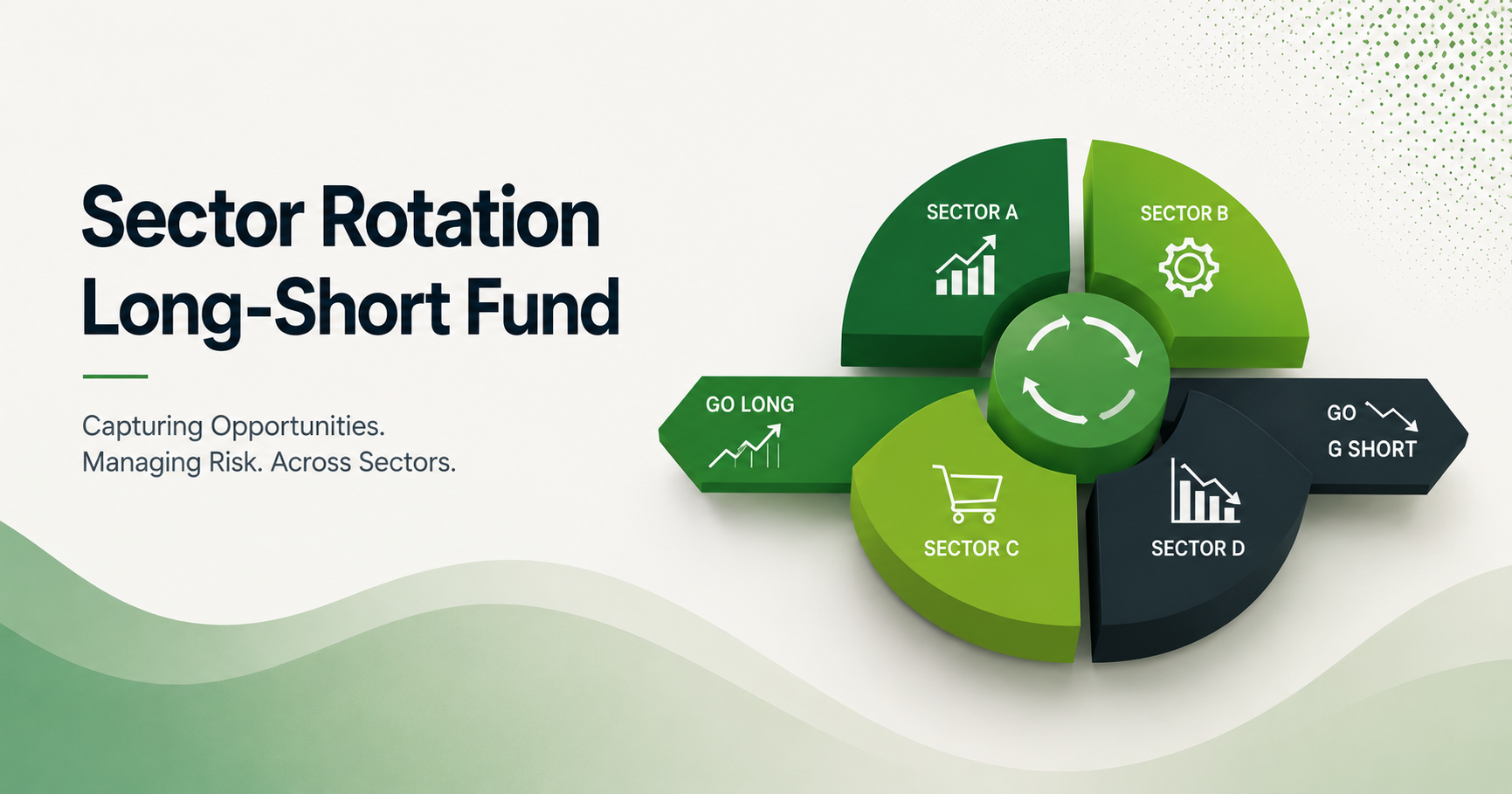
Sector Rotation Long-Short Fund
Most equity funds spread bets thin across 15–20+ sectors. The Sector Rotation Long-Short Fund concentrates 80% of the portfolio in just four sectors and lets managers short an entire sector outright when their rotation thesis turns bearish.
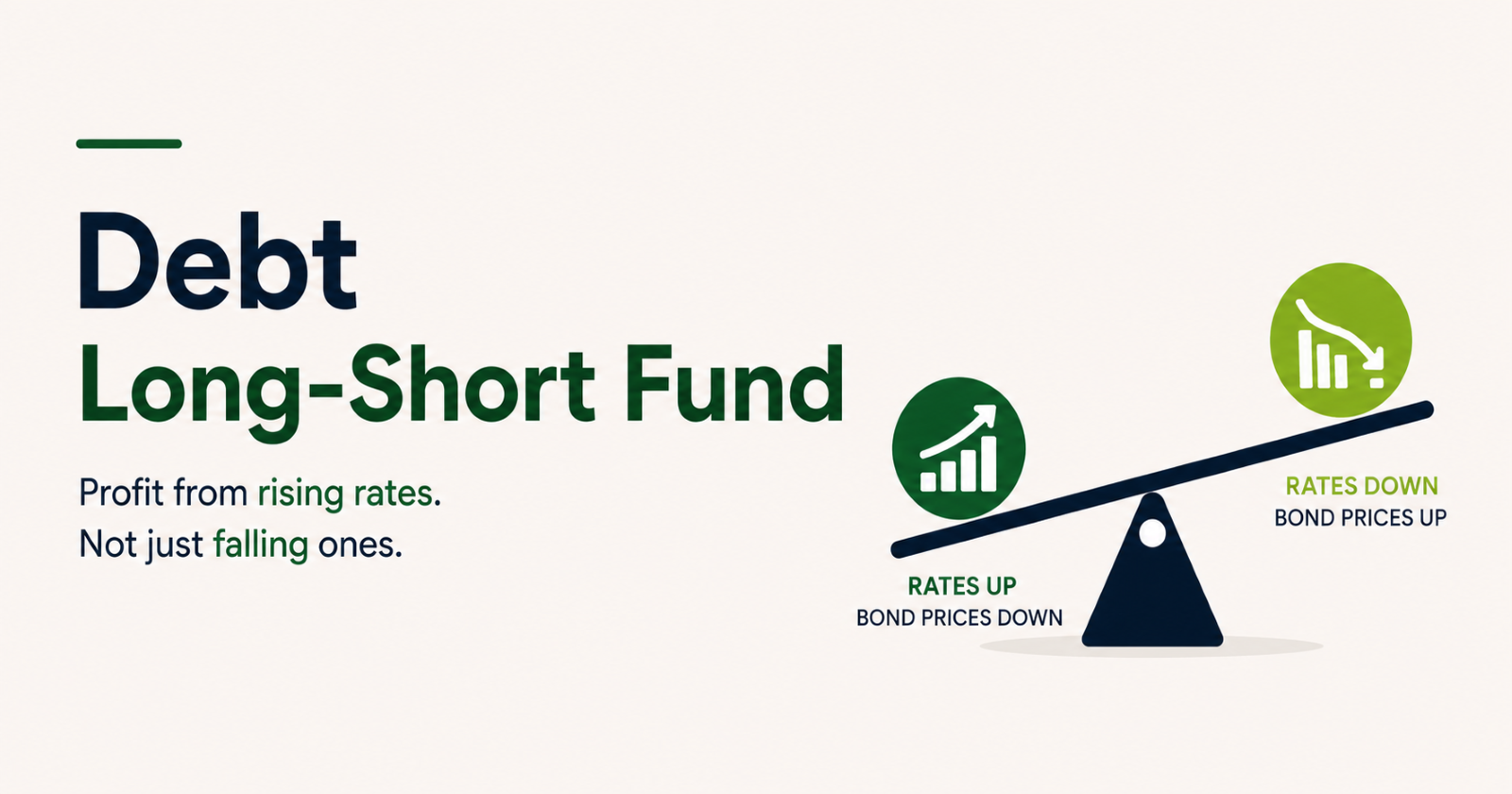
Debt Long-Short Fund
Learn how a debt long-short fund differs from traditional debt funds by actively shorting bonds when rates rise. Understand its mechanics, when it outperforms, and the risks of wrong duration calls. Essential knowledge for navigating interest rate cycles.
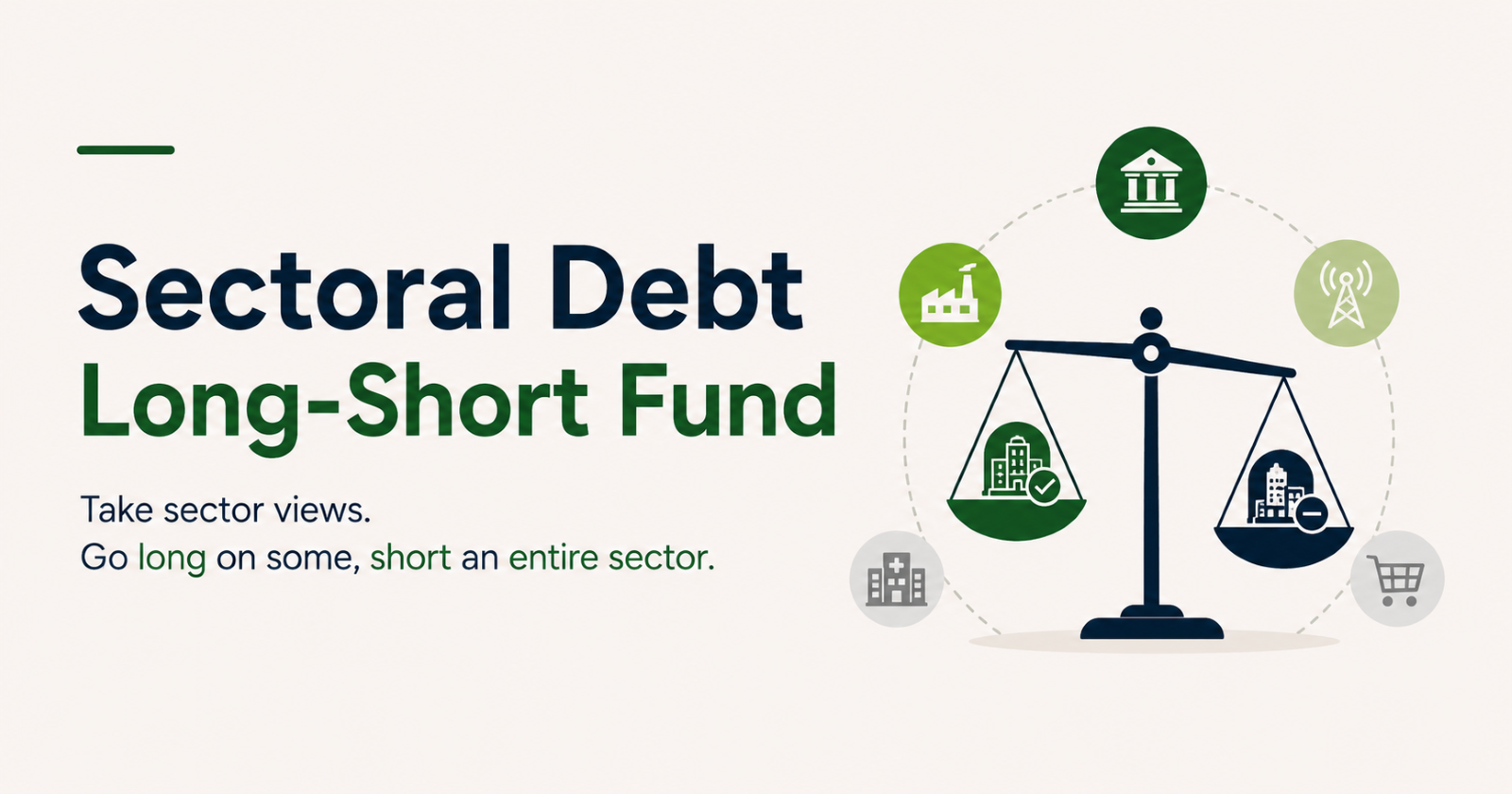
Sectoral Debt Long-Short Fund
Learn how this fund invests long and short across sectors, taking directional credit views rather than just rating-based risk. Understand the 75% single-sector cap and 25% short limit, and why manager expertise in both macro credit cycles and issuer analysis is critical for returns.
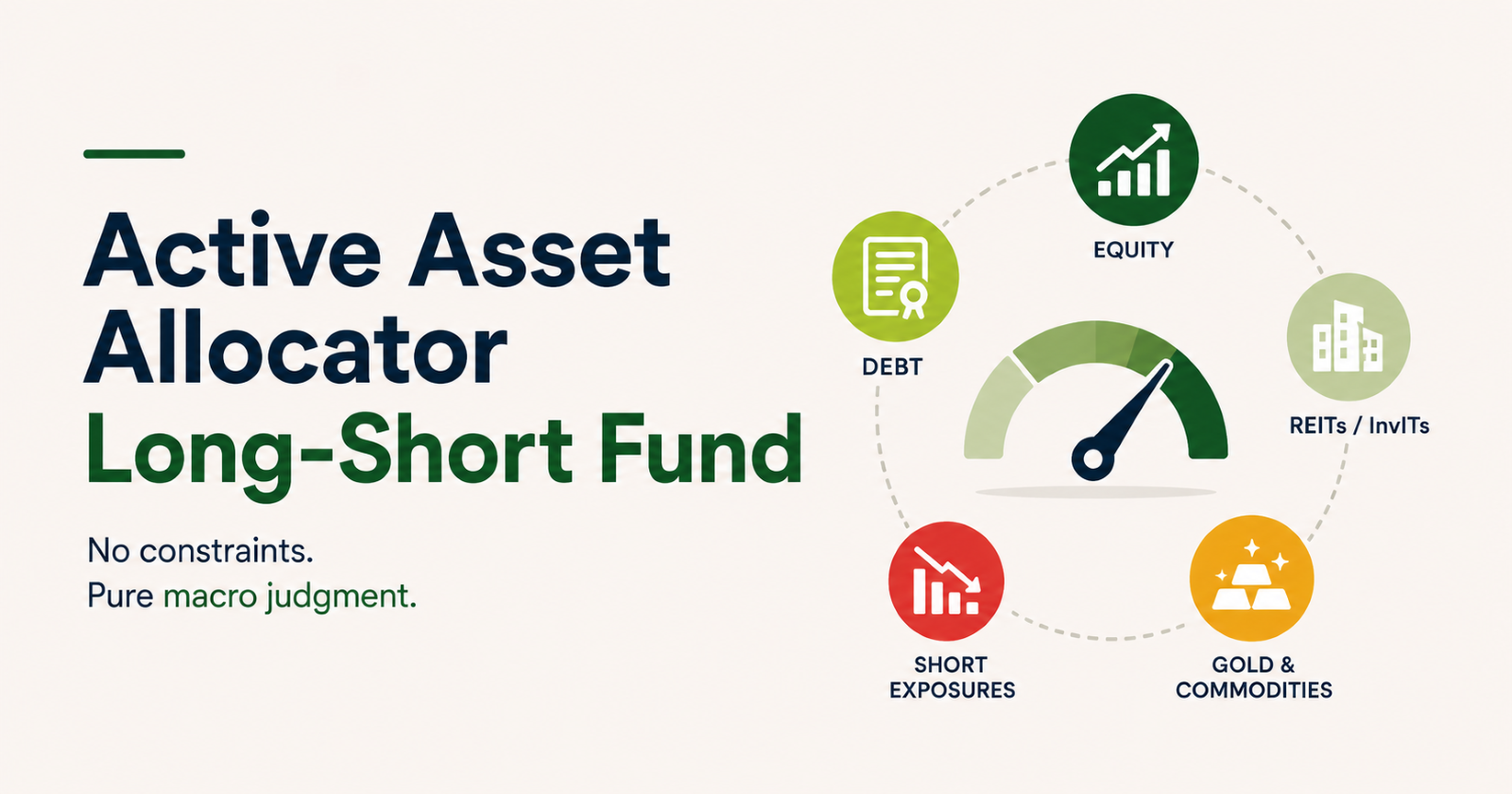
Active Asset Allocator Long-Short Fund
This unconstrained strategy dynamically allocates across equity, debt, derivatives, REITs, InvITs, and commodities with no fixed minimums. Managers can shift from 80% equity to 40% in a month and short up to 25% via derivatives.
Strategy
View all →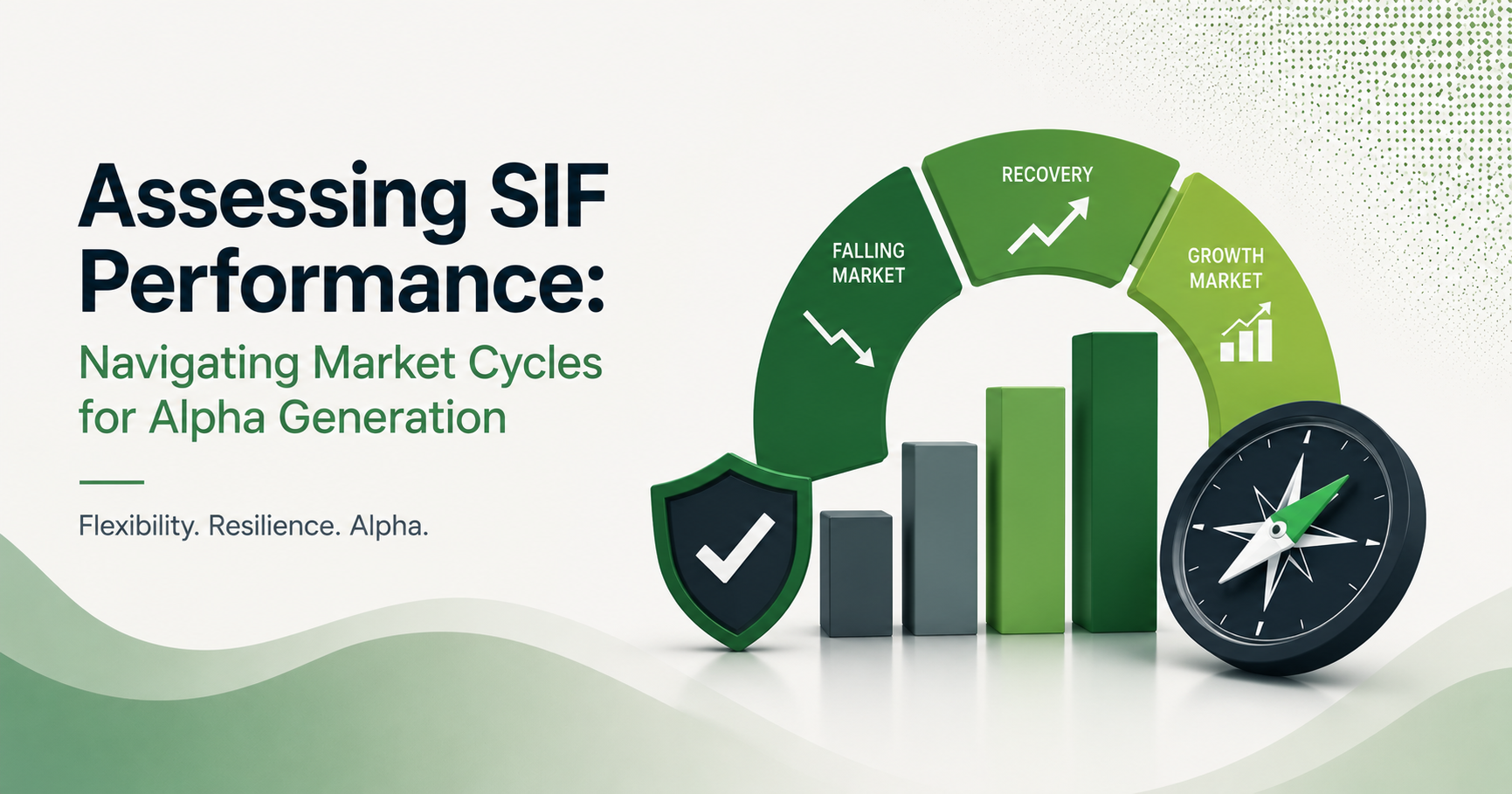
Assessing SIF Performance: Navigating Market Cycles for Alpha Generation
Sophisticated investors are scrutinizing Specialised Investment Funds (SIFs) to understand their performance across market cycles. These flexible vehicles, structured as AIFs, offer managers strategic freedom for capital preservation and alpha generation.
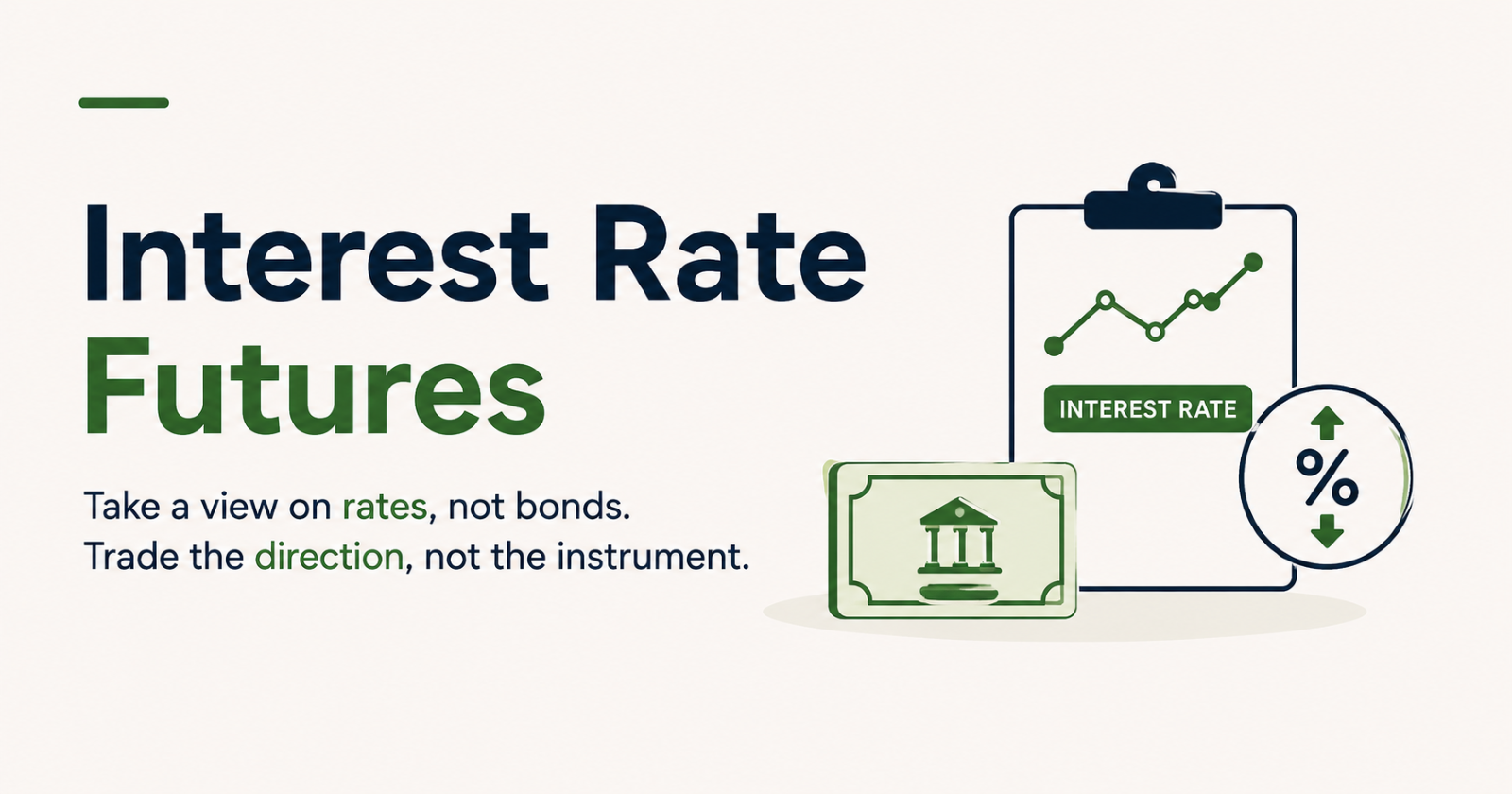
Leveraging Interest Rate Futures for Portfolio Protection
Interest rate futures allow SIF managers to hedge or speculate on rate movements without buying bonds directly. Long futures profit when rates fall; short futures hedge when rates rise. SEBI permits unhedged short exposure in Debt Long-Short and Sectoral Debt Long-Short funds.

Put Options (Long & Short)
Put options grant the buyer the right to sell an underlying asset at a strike price, while the seller incurs the obligation to buy. This guide delves into long and short put options, explaining their distinct mechanics, profit/loss profiles, and strategic application by SIF managers. Discover how these derivatives are used for hedging against
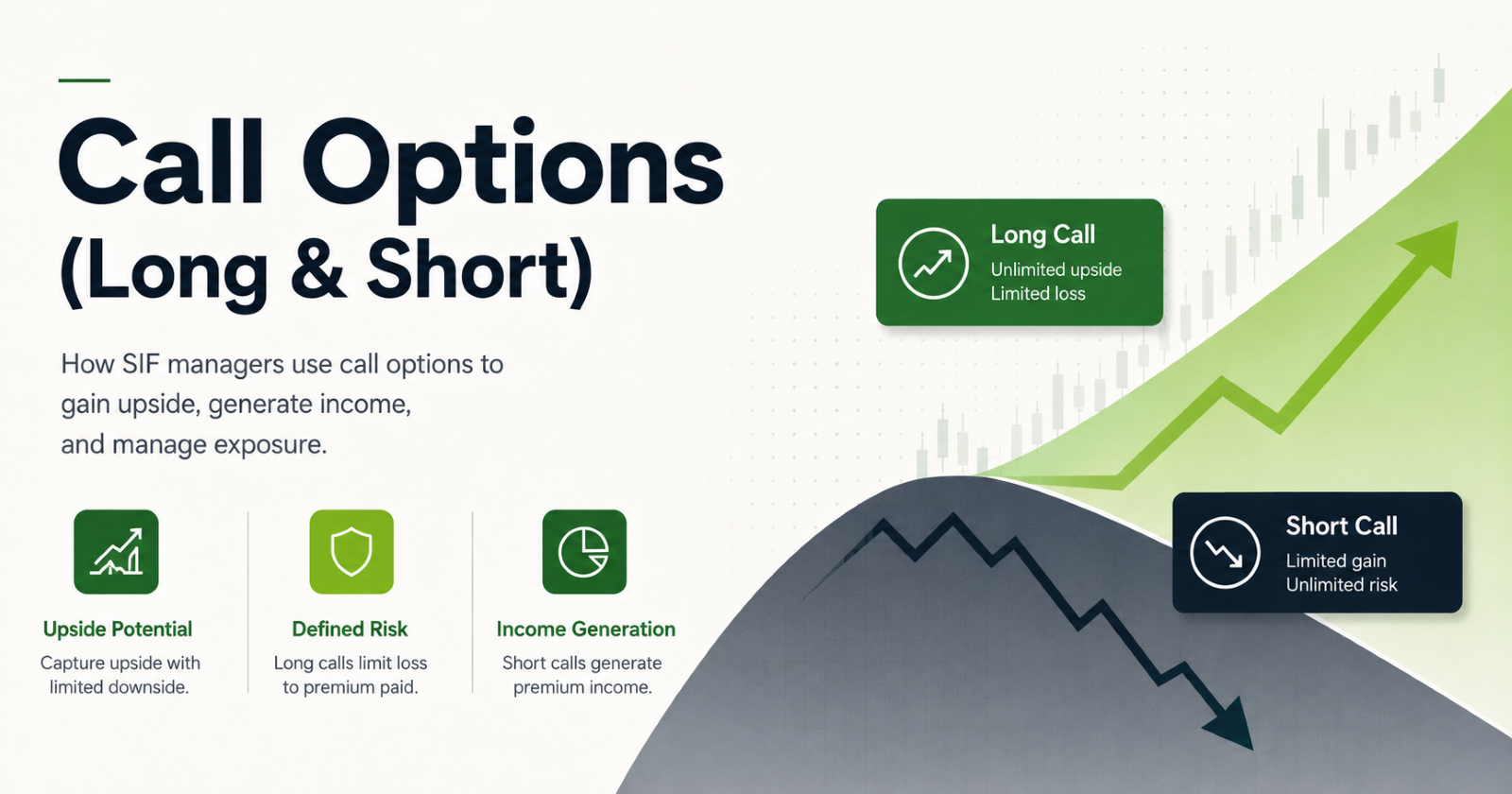
Call Options (Long & Short)
A call option grants the buyer the right, but not the obligation, to purchase an asset at a set price, while the seller assumes the obligation. Learn how SIF managers utilize long and short call options for capital-efficient bullish views, income generation, and risk management. Understand the profit/loss dynamics and SEBI's exposure calculation
Derivative Strategies
View all →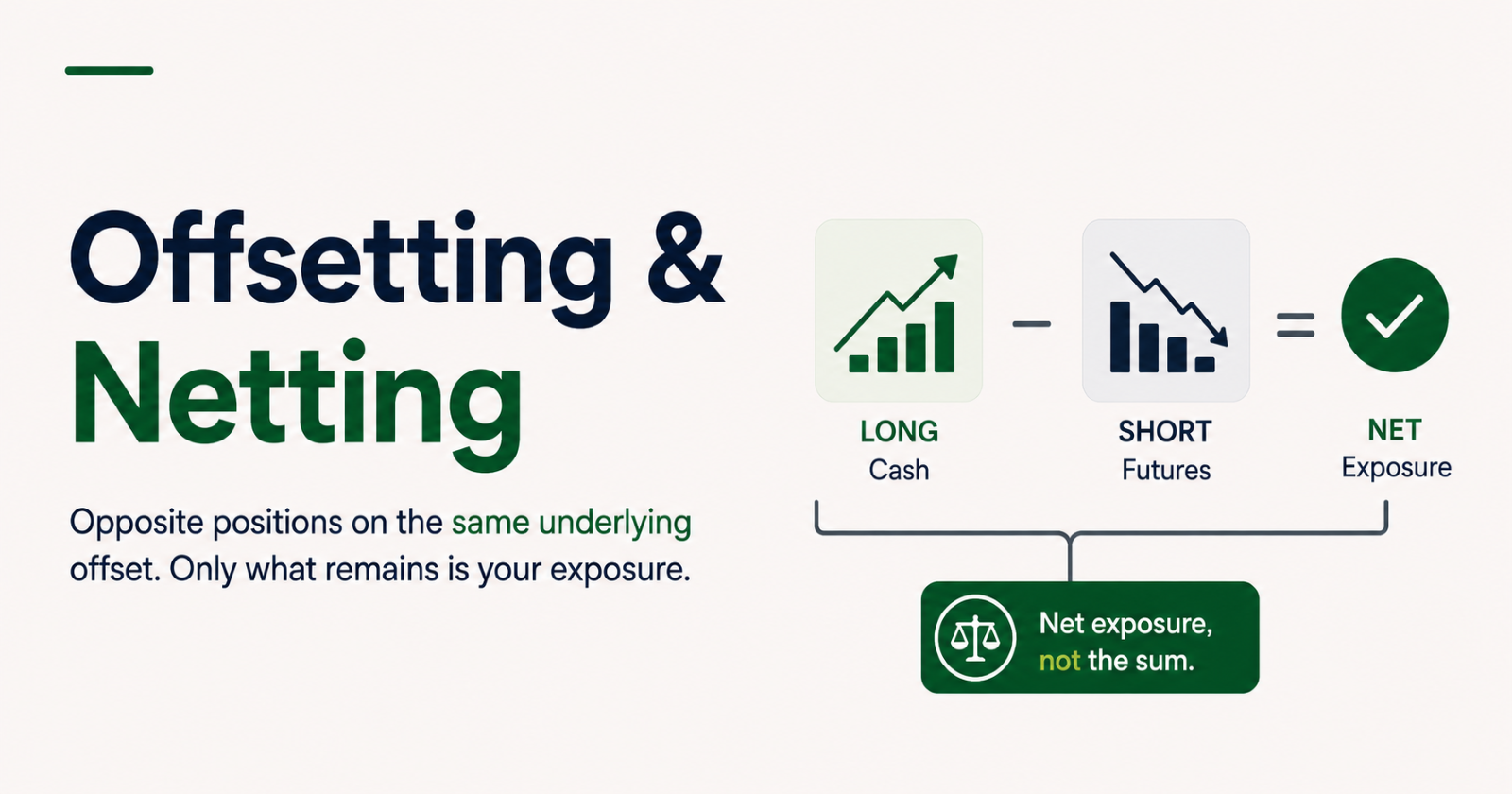
Offsetting and Netting in Derivatives
Offsetting nets opposite positions on the same underlying to calculate true exposure, preventing double-counting of risk. SEBI permits offsetting between cash and derivative positions or between two derivative positions on the same underlying with the same expiry.
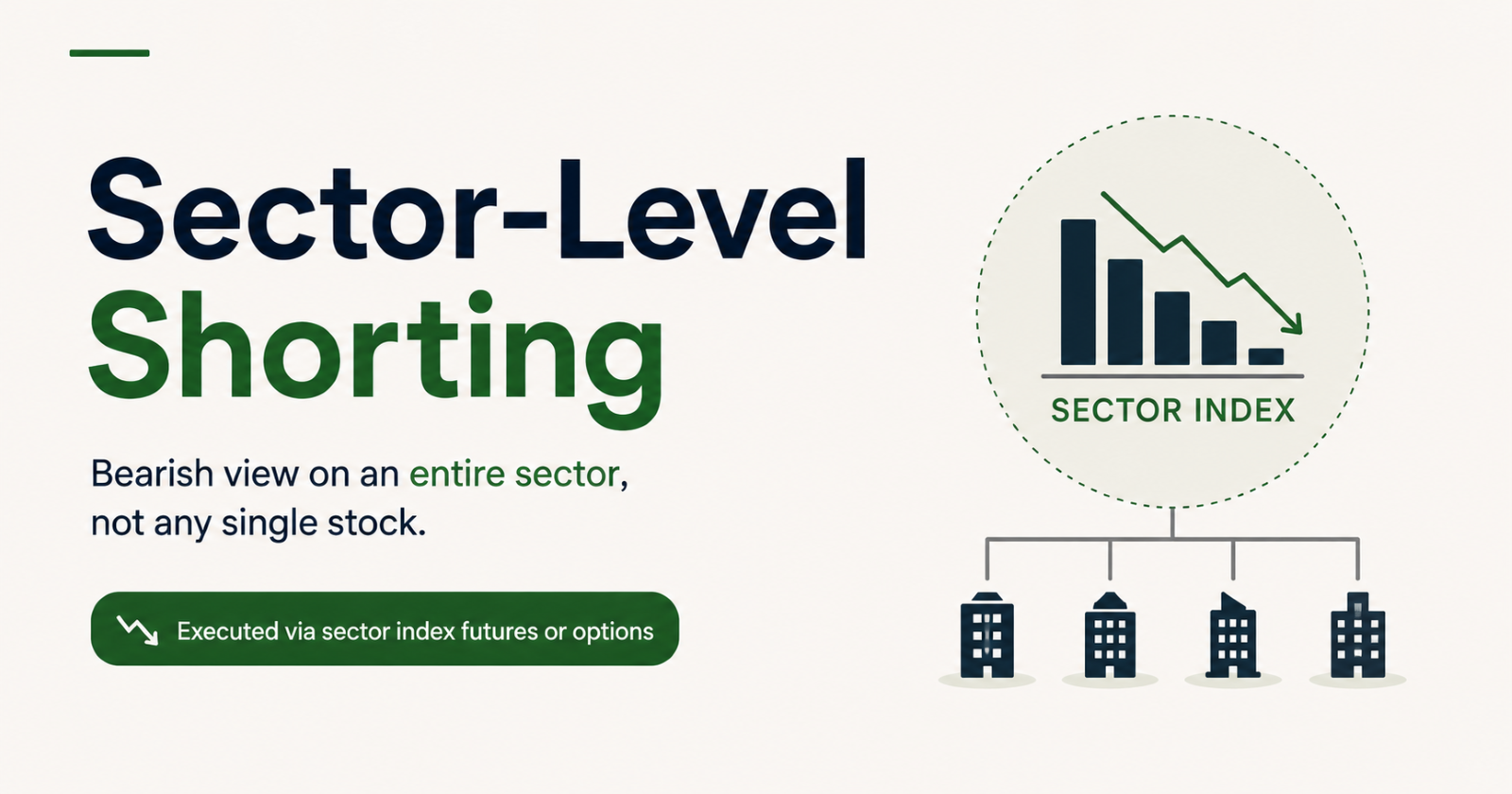
Sector-Level Shorting: Profiting from Sector Declines
Sector-level shorting lets SIF managers profit from declines across an entire industry using index futures or options. This explains when to use it, how it counts toward the 25% unhedged short limit, and how it interacts with long positions, including a detailed scenario with auto sector stocks.
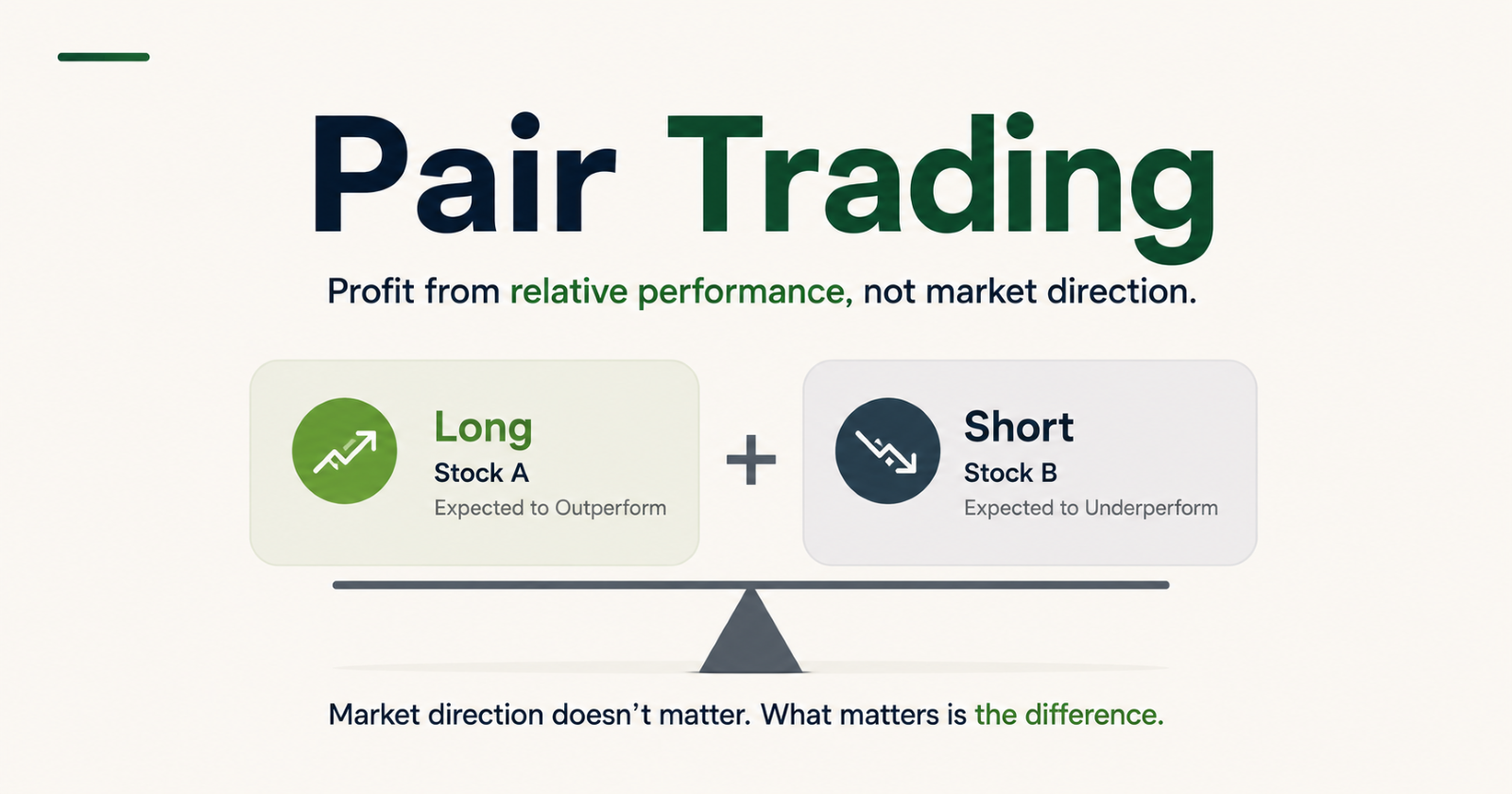
Mastering the Art of Derivative Pair Trading
Pair trading neutralizes market direction by going long on an outperforming stock and short on a weaker peer, profiting from relative performance. SIF managers use it to express stock-specific views while hedging sector risk.
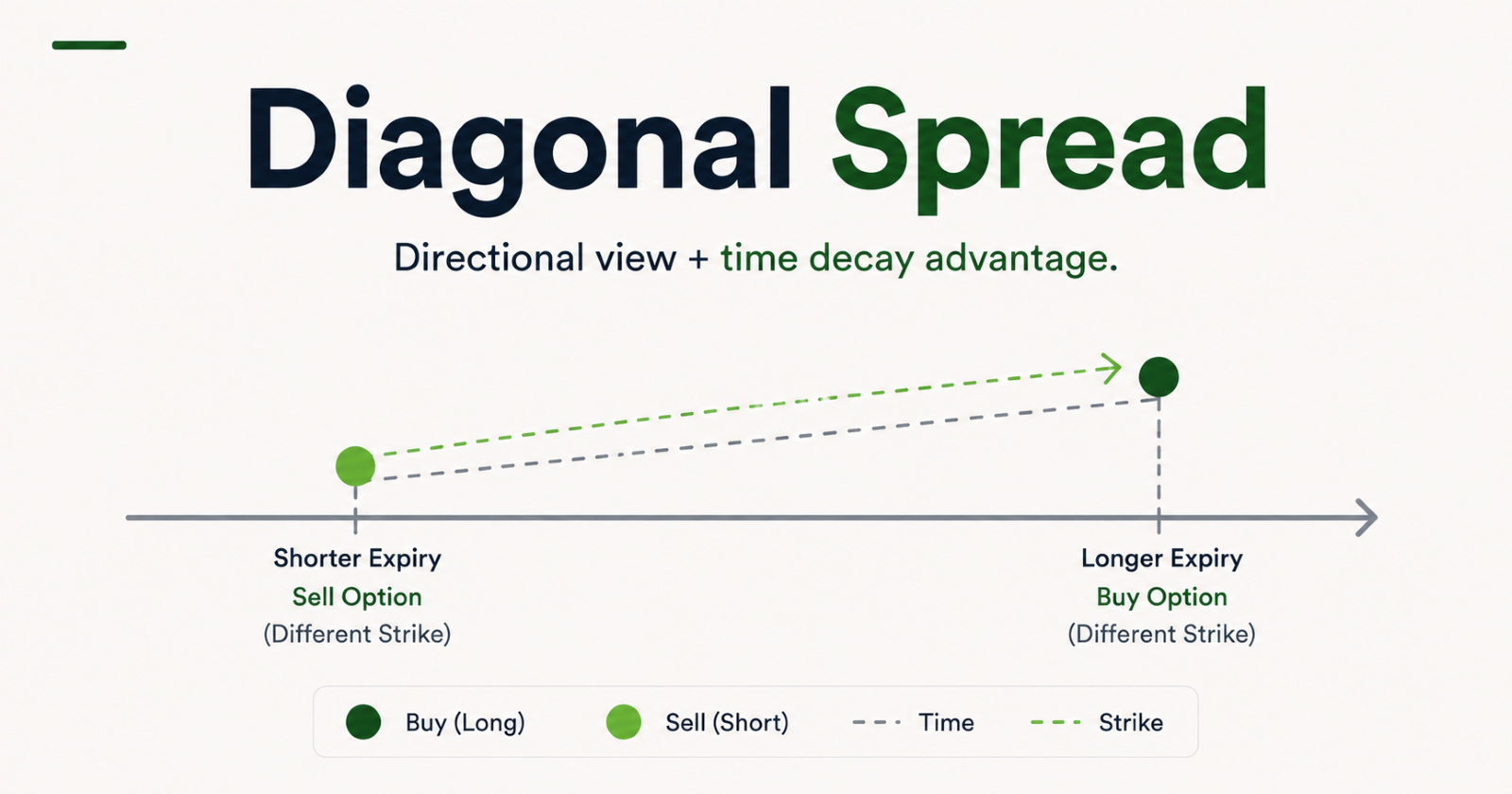
Diagonal Spread: Balancing Time Decay and Directional Bias
A diagonal spread combines a longer-dated option at one strike with a shorter-dated option at a different strike on the same underlying. This strategy expresses a directional view while benefiting from time decay on the near-term sold leg. Long diagonal spreads are commonly used by SIF managers when they expect gradual stock movement and near-term
SIF Education
Reading a SIF's Investment Strategy Information Document (ISID)
Before investing in a Specialized Investment Fund (SIF), you must review its Investment Strategy Information Document (ISID). This mandatory SEBI document reveals exactly how your money is managed. Learn how to decode crucial sections like scenario analysis, derivative limits, and strict liquidity rules before committing your capital.
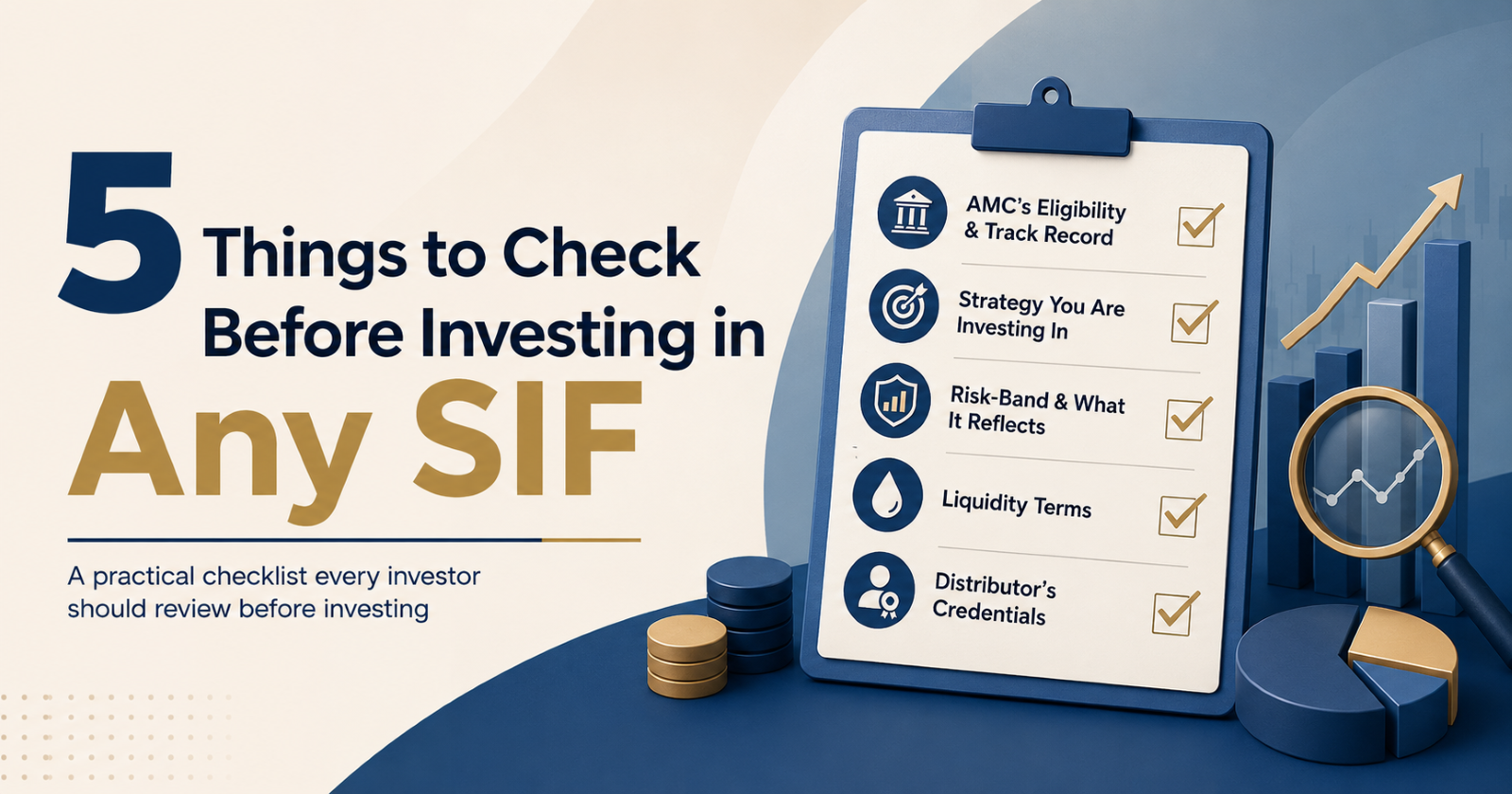
5 Things to Check Before Investing in Any SIF
Specialized Investment Funds (SIFs) bring powerful long-short strategies and derivative exposure to India’s investment landscape—but they aren't just "smarter mutual funds." Before you commit the minimum ₹10 lakh, here are five crucial factors you must check to protect your capital and ensure the strategy matches your portfolio.
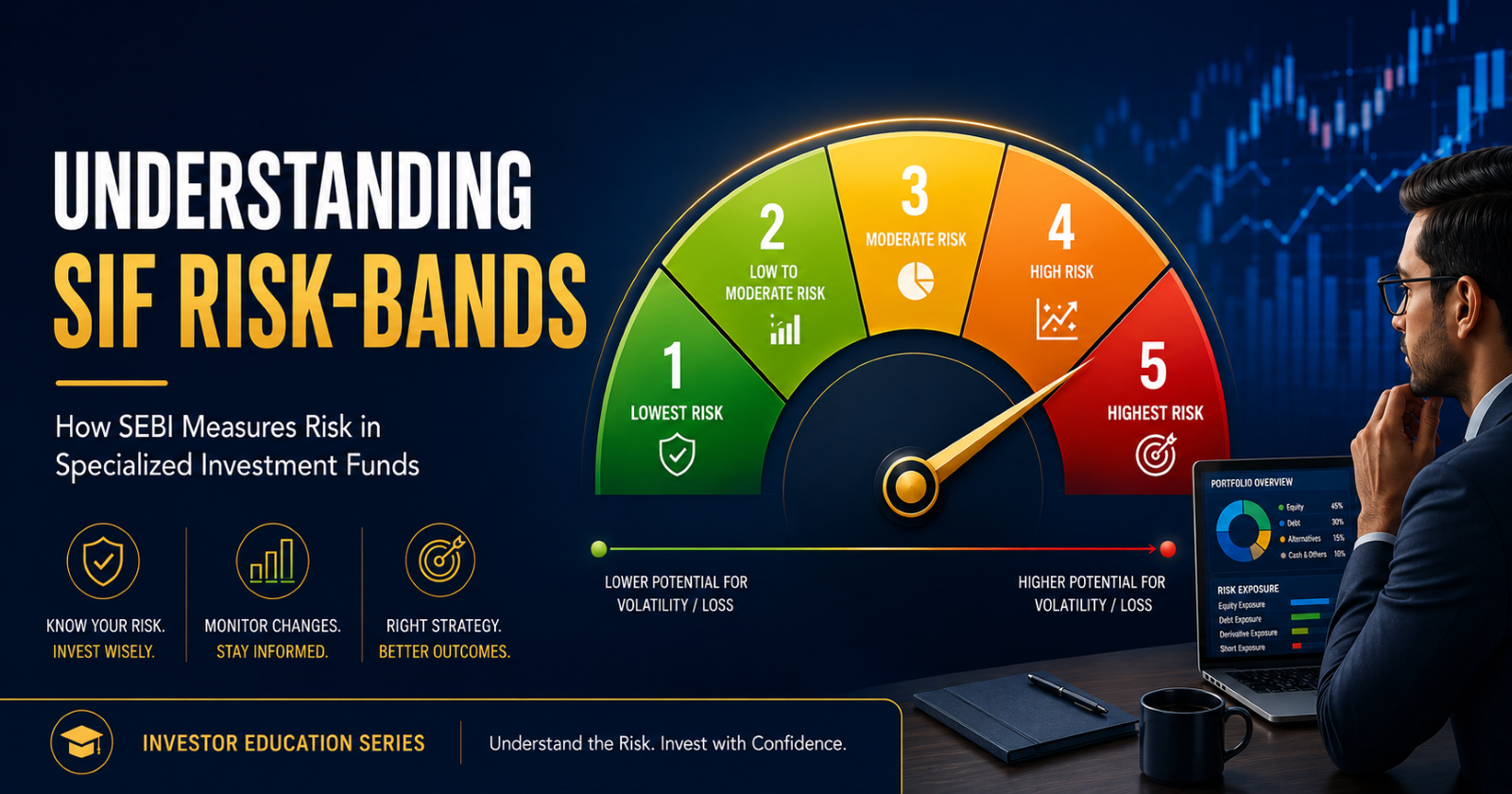
Understanding Risk Bands in SIFs
SEBI's Risk-Band offers a nuanced indicator for Specialized Investment Funds (SIFs), helping investors assess strategy volatility. Learn about its five levels, monthly updates, and crucial annual disclosures. Discover how to use SIF Risk Bands to align investments with your risk tolerance and monitor fund manager consistency effectively. This
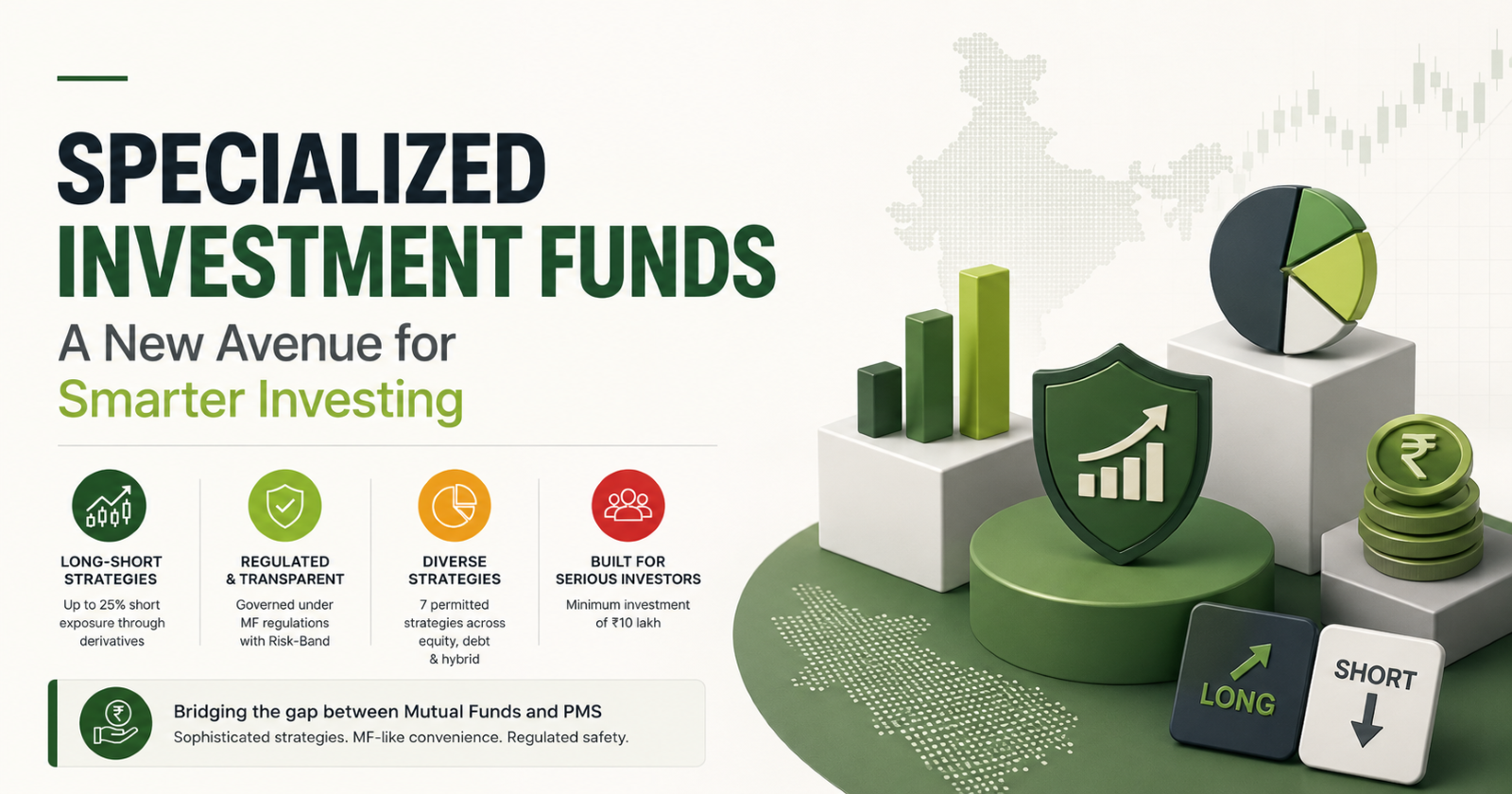
Specialized Investment Fund (SIF): Meaning, Features, Benefits and Restrictions
SEBI's Specialized Investment Fund (SIF), introduced in February 2025, fills a long-standing gap in India's investment landscape. With a ₹10 lakh minimum, it offers HNI investors access to sophisticated strategies like long-short equity and sector rotation — within a regulated, mutual fund-like framework.